Beyond Auto-Reply: AI for Faster Customer Service
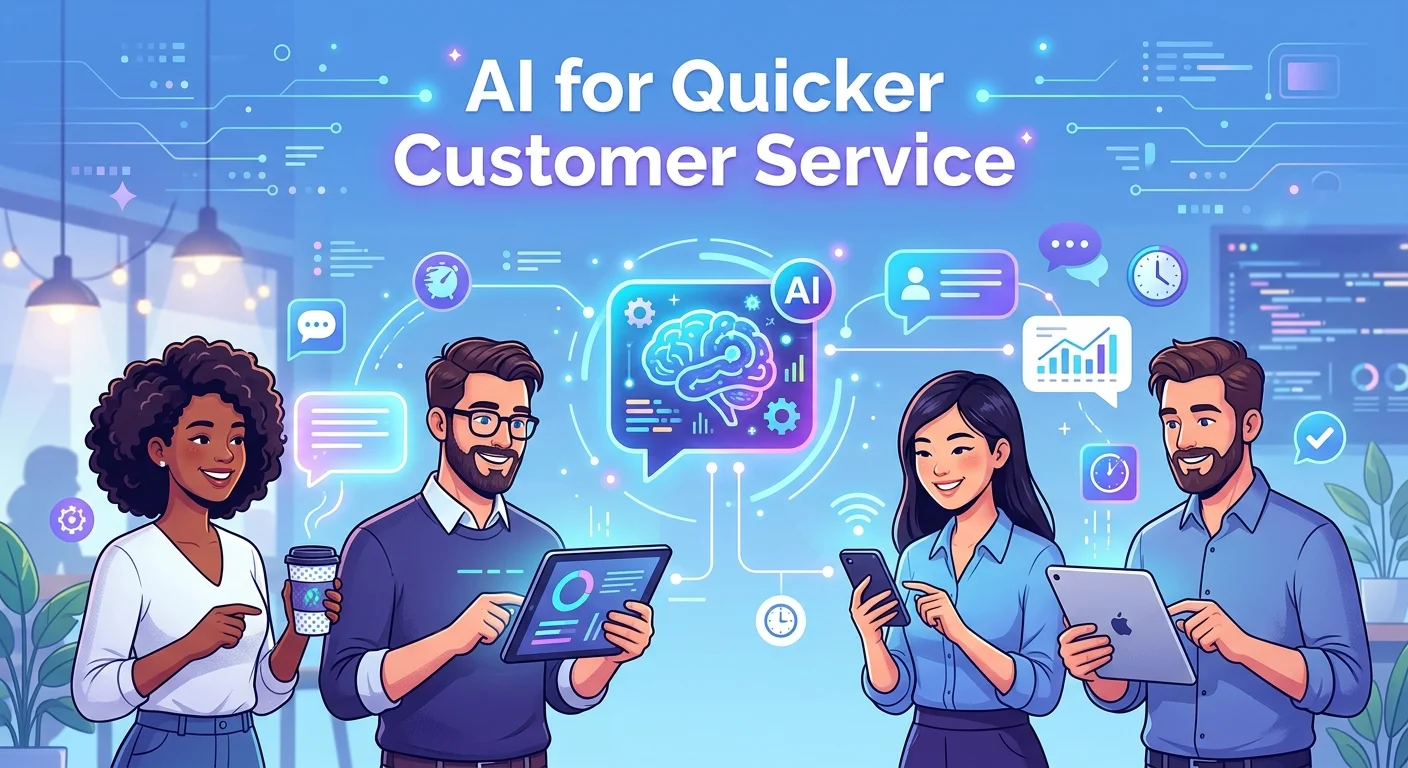
More Than Just an Auto-Reply: Real Conversations with AI
Many business owners, especially those running small and medium-sized companies, understand the constant juggle. You're wearing many hats, and while customer inquiries are vital, responding to every single one promptly can feel like a full-time job in itself. For a long time, the best we could do was an auto-reply, a polite message letting someone know you received their email and would get back to them when you could. It's a start, but it doesn't really help your customer, does it? It doesn't answer their question, and it certainly doesn't make them feel heard. What if we could do better? What if we could not only acknowledge their message but also provide immediate, helpful information, or even guide them towards a solution, without you having to drop everything? This is where conversational AI comes in, offering a practical way for businesses like yours to manage inquiries more effectively and build stronger customer relationships.
Common Customer Inquiry Challenges for SMBs
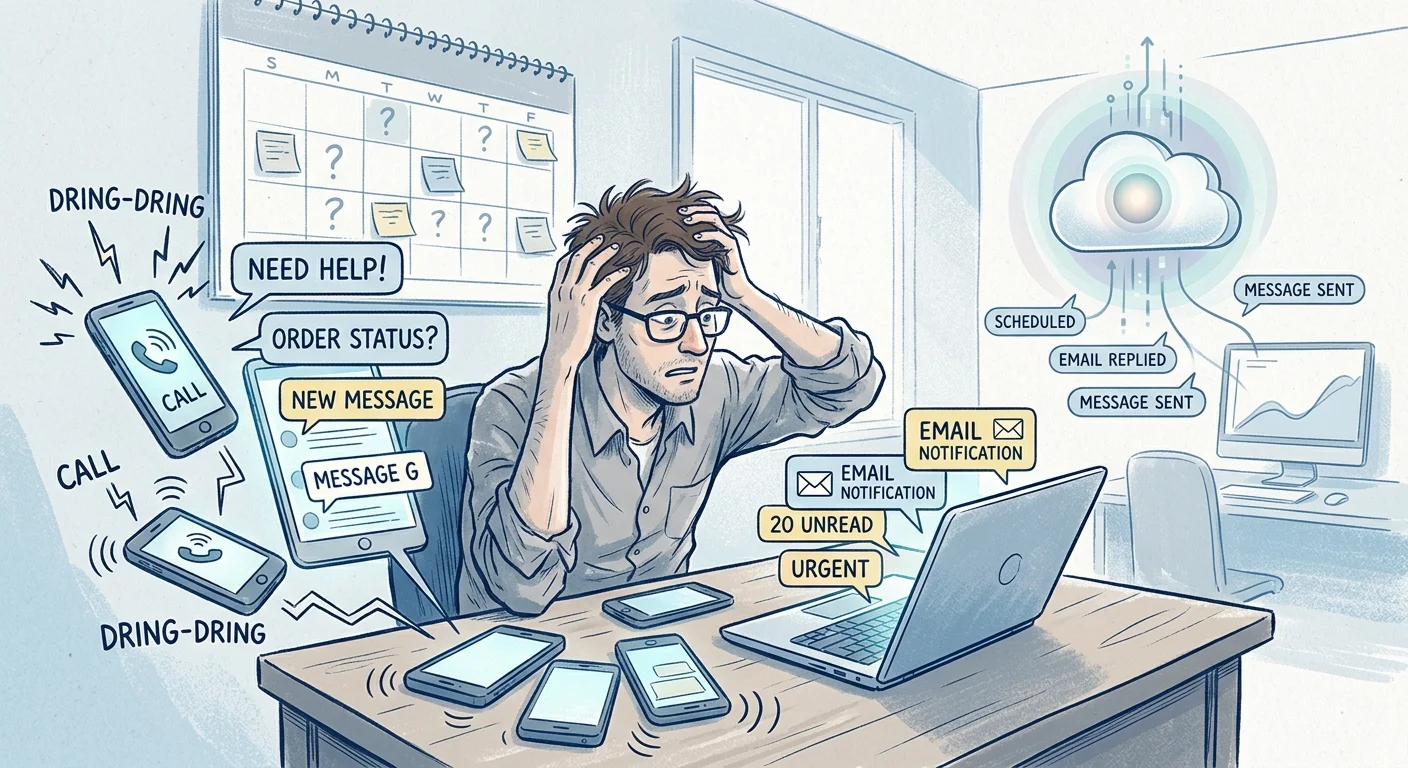
- Limited staff availability for immediate responses
- Difficulty handling after-hours questions
- Repetitive questions consuming valuable team time
- Risk of losing potential customers due to slow replies
- Inconsistent information provided by different team members
Turning Inquiries into Connections: How AI Helps
Think about a customer who visits your website late at night, curious about your return policy or the availability of a specific product. Without conversational AI, they might send an email and wait until morning, potentially moving on to a competitor in the meantime. With a well-implemented AI assistant, that customer can get an immediate, accurate answer. It's not about replacing human interaction entirely, but about handling the routine, frequently asked questions efficiently. This frees up your team to focus on more complex issues, personalized service, and proactive outreach. We've seen local businesses, from boutique hotels to specialized service providers, use this approach to significantly cut down the time it takes to respond. This isn't just about speed; it's about making a positive first impression and showing your customers that you value their time and their business, right from the first interaction. It helps bridge the gap between their immediate need and your team's availability, creating a smoother experience for everyone involved.
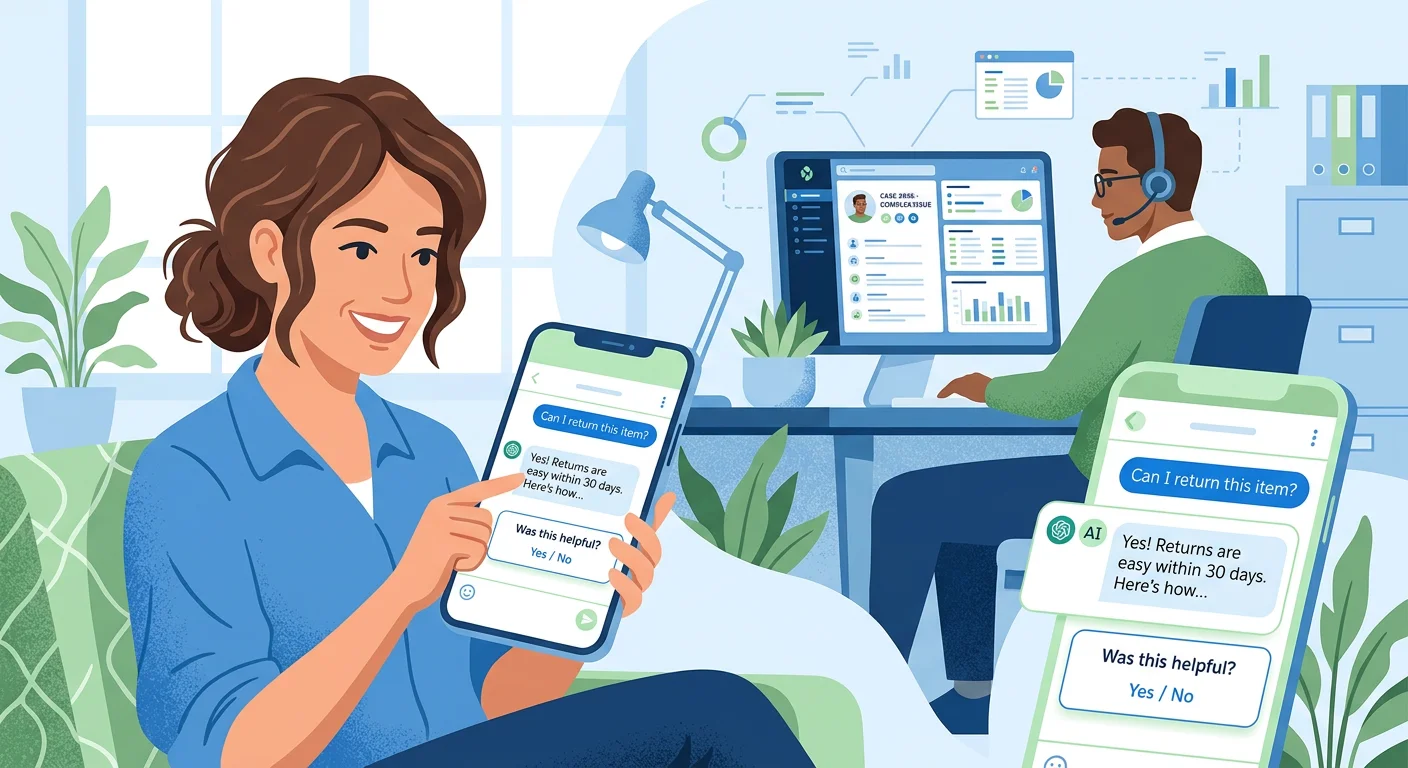
Impact of Conversational AI on Response Times
Practical Examples: Beyond the Basic Chatbot
When we talk about conversational AI, we're not just referring to a simple chatbot that gives canned responses. We're talking about intelligent agents that can understand context, remember previous interactions, and even guide a customer through a basic troubleshooting process or a booking procedure. Imagine a small accounting firm using AI to answer common questions about tax deadlines, required documents, or service fees, allowing their accountants to focus on complex client cases. Or a local fitness studio using AI to help prospective members find class schedules, sign up for a trial, or answer questions about membership options, even when the studio is closed. These AI tools can also qualify leads by asking a few pertinent questions before handing over to a human, ensuring your sales team spends time with genuinely interested prospects. It's about automating the predictable so you can humanize the exceptional, making every customer interaction count more.
Building Loyalty, One Timely Response at a Time
The goal for any small or medium business is to build a loyal customer base. In today's fast-paced world, a key part of that loyalty comes from feeling heard and understood, and getting timely, accurate information. Conversational AI offers a practical, scalable way to achieve this without needing a large customer service team. It's about moving past the basic auto-reply to provide real value and immediate assistance, turning those initial inquiries into positive experiences that foster trust and encourage repeat business. It’s a tool that helps you be there for your customers, even when you can’t physically be there yourself, ensuring your business stays responsive and competitive.